The House could vote as early as Tuesday night on a bill that aims to curb data center-related utility bill rate hikes, as backlash to the proliferating facilities grows ahead of the 2026 midterm election.
The bipartisan bill — dubbed the Ratepayer Protection Act — would establish standards that state regulators could adopt to require artificial intelligence data centers with a demand of 100 megawatts or more to cover the costs of building new power sources, transmission lines and other infrastructure, rather than passing those costs down to consumers.
“The principle is commonsense: Those creating the new demand should be responsible for the costs associated with meeting that demand,” the bill sponsor Rep. Gabe Evans, a Colorado Republican seeking reelection in one of the most tightly contested House seats this year, said in a Washington Reporter op-ed on Monday.
House Speaker Mike Johnson is expected to bring the bill to the floor under a process known as suspension of the rules, which is used to expedite noncontroversial legislation. It requires a two-thirds vote to pass and is expected to garner broad, bipartisan support, as members of both parties are eager to show voters they’ve taken steps to rein in data centers before returning to their districts to campaign. But some outside environmental groups have voiced concerns.
Evans introduced the legislation in June with Rep. Kathy Castor, a Florida Democrat who also has a tough reelection bid after her state legislature redrew her district earlier this year. The Cook Political Report with Amy Walter has labeled both races a “toss up.”
Data centers have sprung up as a crucial issue in the 2026 elections, in which Republicans are trying to defend narrow majorities in both the House and Senate. A cross-partisan, grassroots movement opposing the facilities — which store data, process information and have helped fuel the AI boom — has cropped up around the country, prompting elected officials to come out in favor of more stringent regulation.
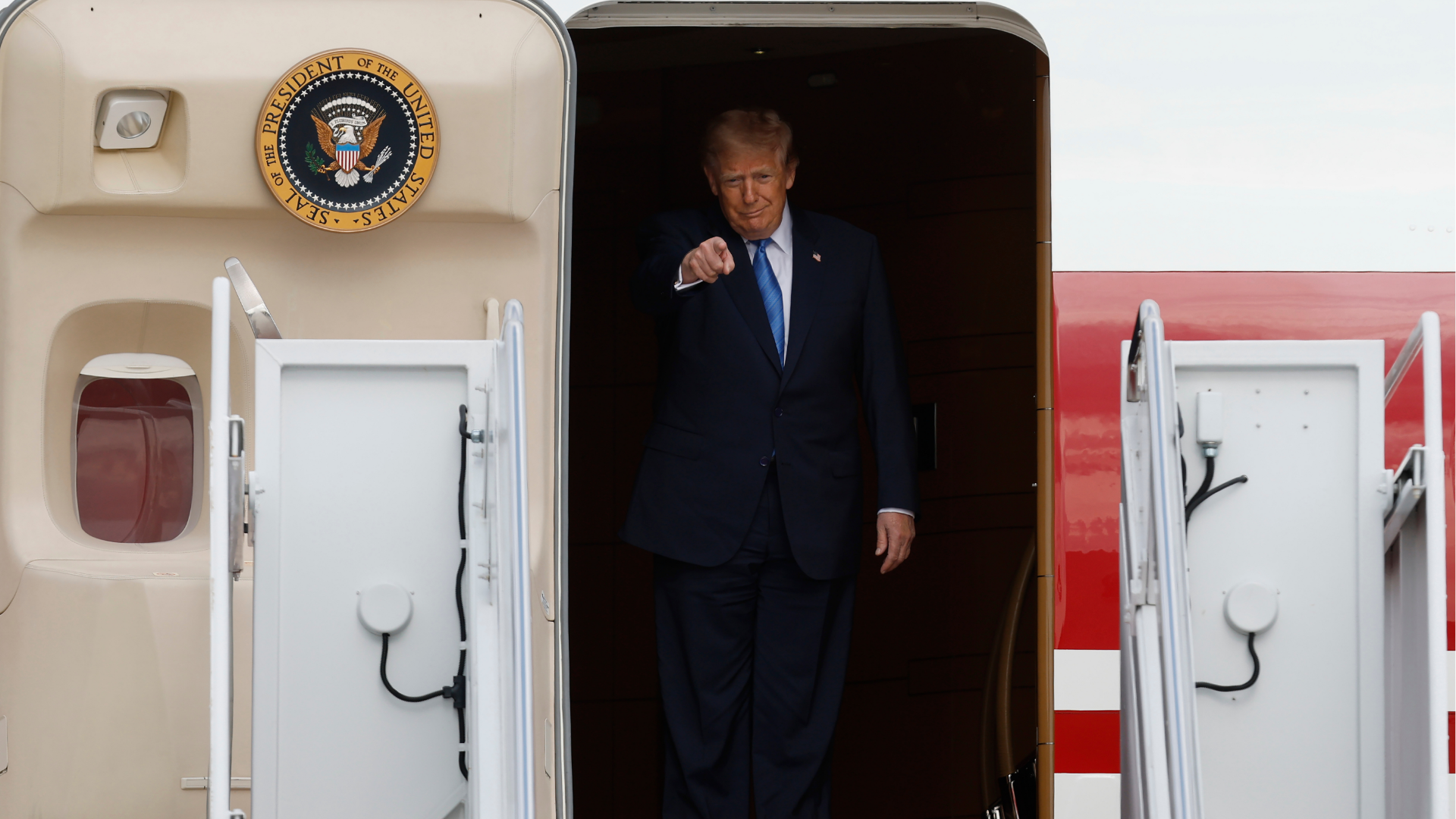
States and localities have primary authority over individual projects, but the House bill would seek to create a set of guardrails that states could choose to adopt to address one of the top concerns of residents who live near operational or proposed data center projects: higher utility costs. The bill would codify parts of the White House’s “Ratepayer Protection Pledge,” which President Donald Trump released in March.
“My neighbors across Florida are grappling with skyrocketing electric bills. Ratepayers should not have to subsidize wealthy corporations’ growing energy demands, especially from AI data centers,” Castor said in a statement in June unveiling the proposal.
But groups like the League of Conservation Voters say the measure doesn’t go far enough to address their data center concerns.Â
“With only a weak directive to states to voluntarily consider adopting cost protections against the energy costs of data centers for ratepayers, state regulators could ultimately choose to ignore this bill,” Sara Chieffo, senior vice president of government affairs at LCV, said in a statement released ahead of the vote.Â
Mitch Jones, managing director of policy and litigation at Food & Water Watch, said in a statement on Monday that the legislation would conversely speed construction of new data centers and “provide questionable means for companies to claim they are paying for their own power.”
“If Congress truly intends to take the AI data center crisis seriously, it must reject this pointless legislation that merely suggests states should act,” Jones said in the statement. “Instead Congress must tackle this out-of-control industry head-on. We need a complete pause on new AI data centers now.”Â
House Minority Leader Hakeem Jeffries, D-N.Y., at a press conference Monday said he supports the bill, calling it “a step forward. [But] more clearly needs to be done.”
Jeffries also called on Republicans to keep the House in session beyond Thursday, when a seven-week recess leading up the Nov. 3 election is set to begin, to address broader AI concerns. A former Anthropic employee who resigned from the company last week sparked outrage in a social media post raising alarms about the pace of AI development.
Sen. John Kennedy, R-La., told reporters on Monday that he planned to introduce an AI “kill switch” bill, which would require companies to create a mechanism to shut down rogue technology, Politico reported. But other congressional action on AI this week appears limited.
Johnson said during a weekend appearance on CNN’s “State of the Union” that tech companies, and not Congress, bear responsibility for ensuring their products’ safety. Johnson’s comments are in line with the White House’s stance. White House National Economic Council Director Kevin Hassett told CNBC on Tuesday that the private sector is more than capable of addressing the risks posed by rapidly advancing AI.
“Republicans have completely abandoned their responsibility to legislate and engage in public policy efforts in a responsible fashion in the area of artificial intelligence,” Jeffries said Monday.