So what would a wiser return look like? The areas where Mourinho must improve are not mysterious.
He needs to recognise that winning is a shared vision, not a slogan he imposes. The bullet points from his Spurs and Manchester United tenure read like a manual of what not to do: failing to fully adapt his methods to his squad, ignoring the needs of some of the people around him, taking credit for victories while offloading blame for defeats.
There is also the matter of an incident that, in Spain, never quite became the scandal it perhaps should have.
Mourinho responded to allegations of racist abuse from Benfica’s Gianluca Prestianni directed at Vinicius by invoking Eusebio, arguing, clumsily, that a club whose greatest legend was a black man could not be racist.
It caused a stir and then, remarkably, disappeared. It has barely surfaced in the debate about his return to Madrid, which perhaps tells you everything about the current mood at the club, so desperate for a solution that certain questions get quietly filed away.
At Madrid, with Vinicius and Mbappe already in a fragile coexistence, with a dressing room that has been allowed to run its own politics for two years, any repetition of them falling out might produce a quick catastrophe.
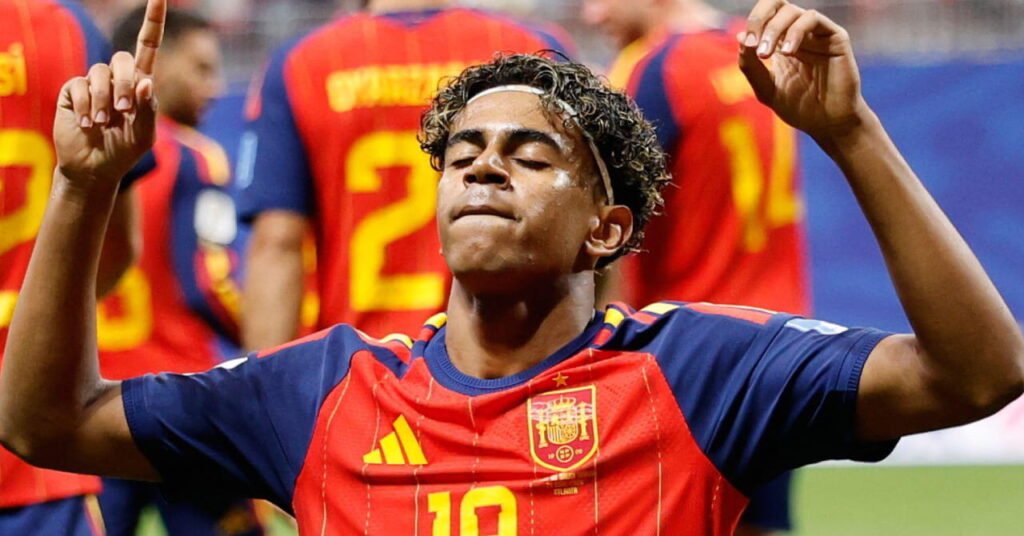
The Vinicius-Mbappe problem deserves more attention. Three managers – Carlo Ancelotti, Xabi Alonso, Arbeloa – have been unable to make them function as a partnership.
The chemistry that was supposed to make Madrid the most feared attack in Europe simply has not materialised. Mourinho’s record with difficult combinations or personalities is mixed, but let’s go with the hopeful.
He made striker Samuel Eto’o play as a right winger at Inter Milan and they won the Treble. He managed the Cristiano Ronaldo-Karim Benzema dynamic at Madrid, keeping them functional if not always comfortable.
He can do this. But only if he’s willing to manage with empathy and communication rather than authority alone.
His demands have already been outlined. He wants input on signings – not names necessarily, but positions, areas of need.
He has identified imbalances in the squad. In his first Madrid spell, he pushed for Luka Modric, Sami Khedira and Mesut Ozil, and history would vindicate all three choices.
He also wants his staff around him, his own people in key roles. The club wants to retain their medical and physical department. Whether Mourinho can not only accept but work with that hybrid structure – his coaches, their doctors – will be an early test of how much he has genuinely changed.
What is also real is the weight of what he is inheriting.
Two titleless seasons and a squad that played without intensity and finished below the top 10 in the Champions League group phase – twice.
Perez’s media conference yesterday named none of this. He spoke about the press, about conspiracies, about his enemies. He always does it in private, never so openly before.
He was singing from the Mourinho songsheet. He did not speak about the football.
Mourinho will have to do so. And beyond speaking about it, he will have to solve it by earning trust with his pupils. By managing culture rather than bulldozing it. By understanding that the club he is joining is bigger than any one person.
The press conference yesterday may well have marked the beginning of something. Whether it is a renaissance or a relapse depends almost entirely on whether Mourinho has learned anything from the last decade.
He says he has. Madrid is about to find out.